State of AI in WA Schools Forum: Shaping a Purposeful and Equitable Future for Education
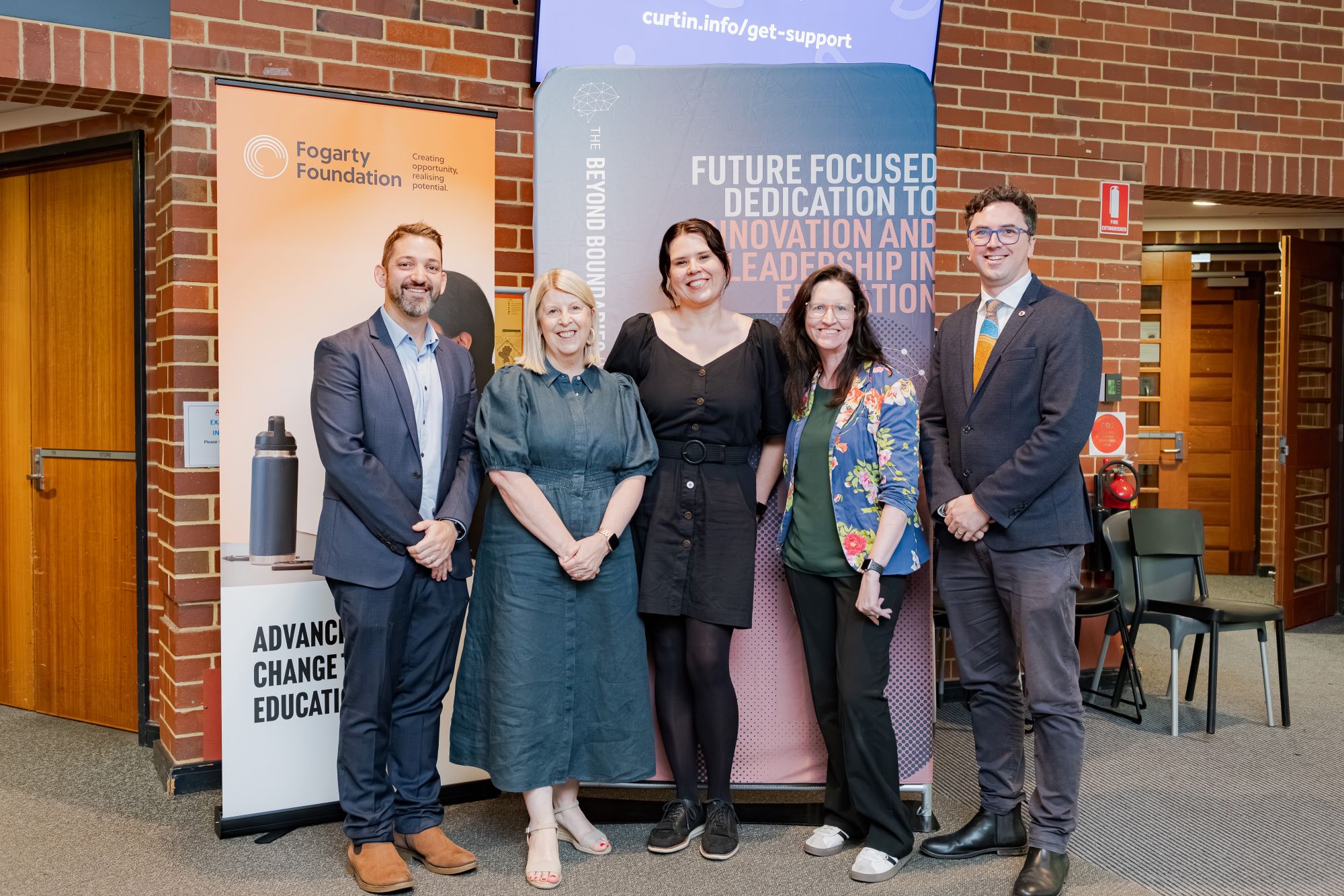
On 18 and 19 November, the Beyond Boundaries Institute (BBI) was proud to co-host the State of AI in WA Schools Forum with the Fogarty Foundation at Curtin University, welcoming more than 220 educators and leaders from 70 schools across Western Australia.
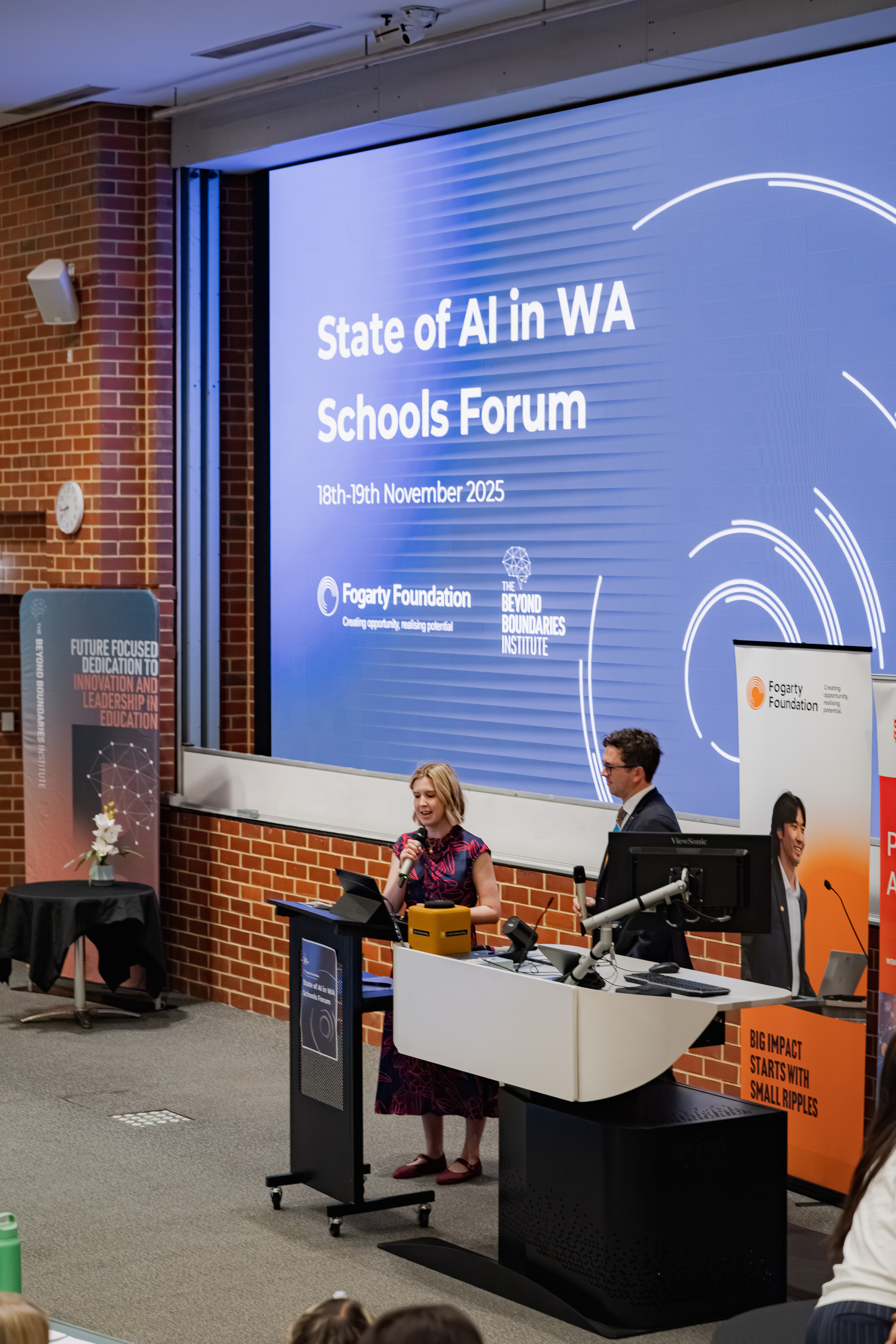
The Forum
This Forum exemplified BBI's core purpose: creating neutral collaborative spaces where educators from government, Catholic and independent sectors can come together to navigate the most pressing challenges facing education. By bringing classroom teachers, school leaders, policymakers, sector representatives and partners into conversation, we catalysed the kind of transformative partnership that lies at the heart of BBI's mission.
Over two energising days, the Forum brought together diverse voices to examine one of the most urgent and complex questions facing education today: how can AI strengthen learning for all young people in WA?
The conversations were rich, grounded and forward-thinking. A dedicated focus group for rural, regional and remote schools added essential perspectives, ensuring that future approaches will be shaped with equity and inclusion at their core—a commitment central to BBI's vision of education that serves all learners, regardless of context.
Across sessions, one theme echoed clearly: technology enables transformation but it does not guarantee it. From calculators to laptops, interactive whiteboards to generative AI, educators understand that true improvement only occurs when teachers are empowered to use new tools thoughtfully, skilfully and in service of great teaching.
This aligns directly with BBI's first strategic goal: Pioneering Professional Pathways. The Forum demonstrated our commitment to empowering educators as innovative professionals who lead change rather than merely respond to it.
What We Learned
Technology doesn't transform education on its own.
From calculators to iPads, history shows that tools only make a difference when teachers are equipped to use them well. AI is no different—it can enhance great teaching but never replace it.
Teachers want to lead this change.
WA educators see the opportunities and risks of AI. They know that if we don't act, equity gaps could widen. Their commitment to being part of the solution was clear throughout the forum. This embodies BBI's second strategic goal: Amplifying Educator Excellence—celebrating and elevating teachers as pioneering professionals whose expertise must guide technological integration.
AI is already in our classrooms.
AI is already present in classrooms and in students' daily lives, from search engines to social platforms. WA must continue to keep pace with rapid technological development while investing in research to understand AI's educational impact.
Education is human at its core.
While AI promises efficiency and personalisation, it cannot replace the human connection at the heart of learning. AI can make knowledge feel cheap; our challenge is to keep curiosity and creativity alive.
AI literacy matters for everyone.
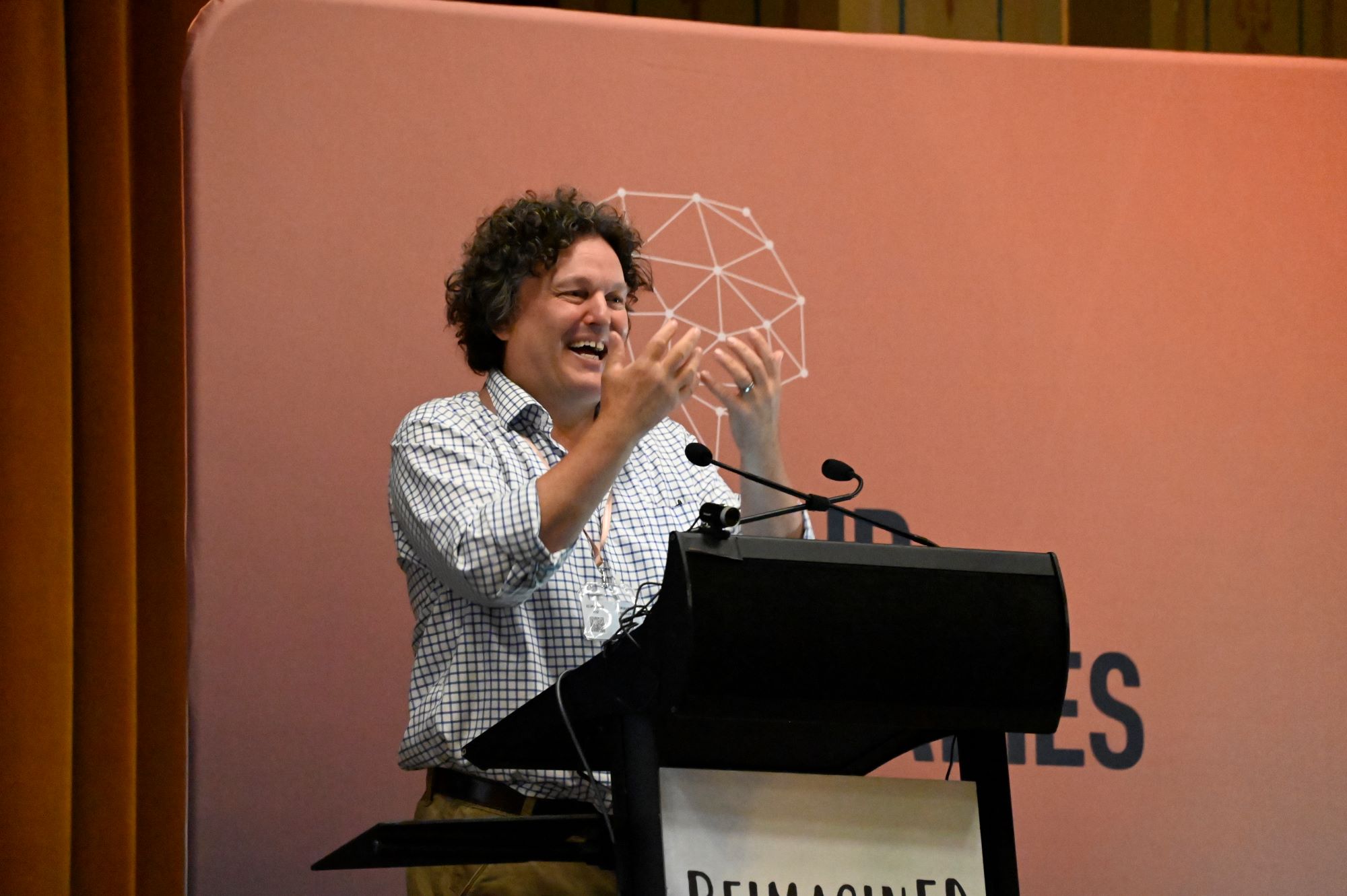
Teachers, students and parents need the skills to engage with AI responsibly. As one speaker noted, we require licences for pens and cars, so why not for AI? An "AI licence" concept playfully highlighted the importance of safe, informed and ethical use.
Bold ideas are exciting but equity and access must remain at the centre of every conversation about AI in schools. Without deliberate attention, technology risks amplifying existing gaps rather than closing them.
The Beyond Boundaries Approach
This Forum represents BBI's distinctive approach to educational transformation. Rather than prescribing solutions, we created space for educators from different contexts to share insights, challenge assumptions, and build collective understanding. The cross-sector nature of the Forum—with representatives from government, Catholic, and independent schools alongside policymakers and researchers—embodies our third strategic goal: Catalysing Transformative Partnerships that transcend traditional boundaries.
The AI in Education Community of Practice that will emerge from this Forum demonstrates how BBI operates: we convene, we facilitate, we support—but the wisdom, innovation and leadership come from educators themselves. This community will continue the conversations started at the Forum, developing practical frameworks, sharing emerging practices and ensuring WA's approach to AI remains grounded in educational purpose rather than technological possibility.
Questions That Guide Our Path Forward
As we consider AI's place in education, we have even more questions to tackle:
• What role should technology play in shaping young minds?
• How do we balance efficiency with empathy, and innovation with ethics?
• How do we help students not just use AI, but interrogate it?
• How can AI enhance learning without diminishing the human relationships that matter most?
These are the questions that matter—questions that can only be answered through ongoing collaboration, experimentation and learning together. They require the kind of cross-sector dialogue that BBI exists to foster.
It was an honour for BBI to explore these questions alongside educators who are deeply committed to their students' futures. The Forum reminded us that transformation happens not through technology alone, but through educators who are equipped, empowered and connected to tackle complex challenges together.

Our Commitment Moving Forward
At BBI, we believe the possibilities of AI are immense but so is our responsibility. By focusing on equity, ethics and student-centred learning, we can help contribute to a future where technology serves education, not the other way around.
The State of AI in WA Schools Forum was one conversation in an ongoing journey. Through our continued partnership with the Fogarty Foundation and the AI in Education Community of Practice, BBI will remain committed to creating spaces where educators lead innovation, where diverse perspectives inform practice, and where the boundaries between sectors become opportunities for collaborative discovery.
Because the most profound transformations in education don't come from technology—they come from educators who dare to reimagine what's possible, together.